
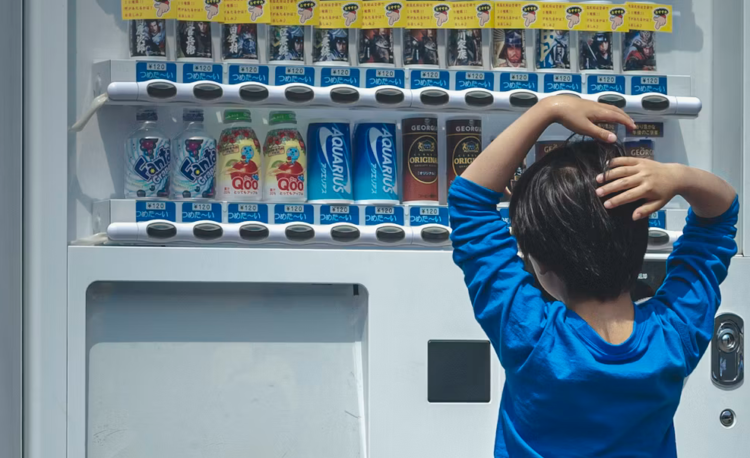
Vending machines have long been associated with snacks, soft drinks, and quick purchases. That image is changing. Modern vending machines can now sell a much wider range of products and provide services in places where traditional retail stores may not be practical. Improved payment systems, remote monitoring, refrigeration, and digital screens have expanded what these machines can do. Businesses are using automated retail to reach customers at workplaces, apartment buildings, schools, transport hubs, hotels, gyms, and community spaces. This shift reflects changing consumer habits. People increasingly value convenience, speed, and access outside standard store hours. Understanding why vending machines are becoming more than snack dispensers shows how automated retail is developing into a flexible part of modern commerce.
Expanding Product Selection
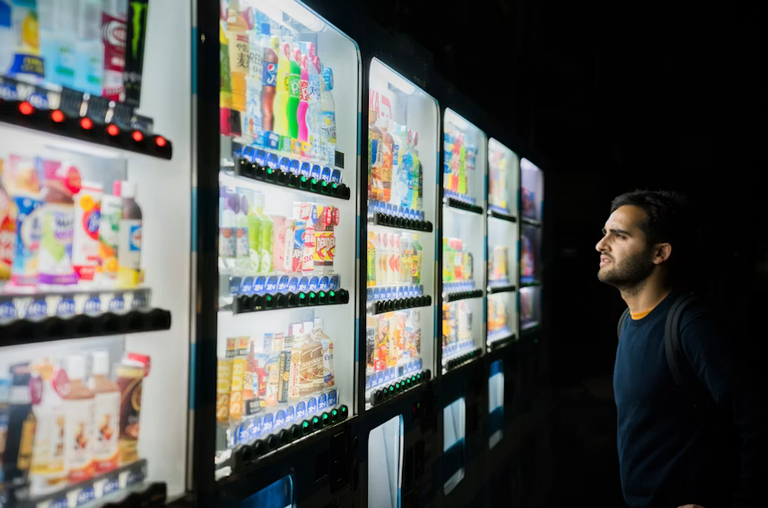
Modern vending machines can accommodate products that were once difficult to sell through automated equipment. Refrigerated machines can offer fresh meals, prepared foods, dairy products, beverages, and other temperature-sensitive items. Other machines may provide personal care products, electronics accessories, office supplies, beauty products, pet supplies, or household essentials. This wider selection allows operators to respond to the needs of specific locations. A machine placed in a gym may focus on fitness-related products. One located in an apartment building could offer basic household necessities. Product selection becomes closely connected to the people using the machine. This approach makes automated retail more relevant to everyday needs.
Improving Payment Options
Payment technology has played an important role in the development of modern vending machines. Older machines often depended heavily on coins and cash. Today’s equipment can support cards, contactless payments, mobile wallets, and other digital methods. Faster payment options make transactions easier for customers who may not carry cash. They can also reduce the friction associated with small purchases. For operators, digital payment systems can provide useful transaction information. Sales data may help identify popular products, busy periods, and changes in customer preferences. As cashless purchasing becomes more common, flexible payment technology helps vending machines remain convenient and accessible.
Using Smart Technology
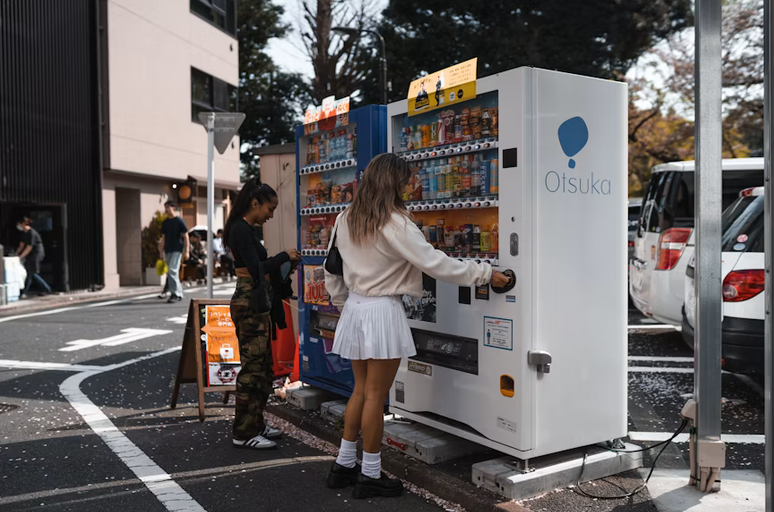
Technology has transformed vending machines from simple mechanical devices into connected retail equipment. Some modern systems use sensors, internet connectivity, inventory tracking, and remote management tools. Operators can monitor stock levels without visiting every machine. They may receive alerts when products need to be restocked or when equipment requires attention. Remote monitoring can improve operational efficiency. It may also reduce unnecessary service trips, helping operators spend more time addressing machines that actually require attention. Digital screens can provide product information, promotional messages, pricing updates, or other content. These features make vending machines more interactive while giving businesses additional ways to communicate with customers.
Serving Convenient Locations
Location remains one of the strongest advantages of vending machines. They can operate in spaces where a traditional retail store would require too much room, staffing, or investment. Office buildings, hospitals, universities, hotels, transportation facilities, residential communities, and recreational centers can all provide opportunities for automated retail. Vending machines can also operate for extended hours. Customers may purchase necessary products early in the morning, late at night, or during periods when nearby stores are closed. This accessibility can fill small but important gaps in local retail services. Customers do not always need a large shopping trip when they only need one or two items.
Supporting Specialized Retail
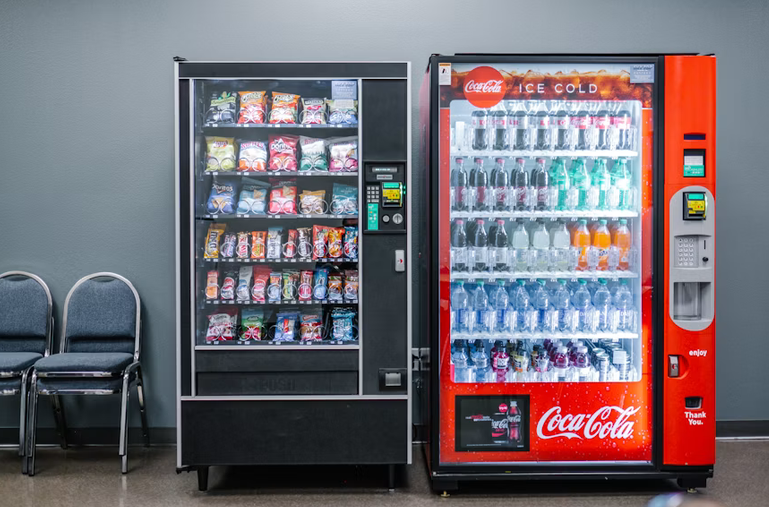
The expansion of vending machines has created opportunities for more specialized forms of retail. Operators can design machines around specific audiences rather than trying to appeal to everyone. A machine might focus on workplace essentials, travel items, healthy food, personal care products, or technology accessories. Specialized offerings can make a machine more useful because the product selection directly reflects the surrounding environment. Businesses can also use automated retail as a way to test new products. A limited selection can be introduced in one location before wider distribution. This creates a practical connection between location, product demand, and retail strategy.
Adapting to Modern Shopping
Vending machines are becoming more than snack dispensers because they are adapting to the way people shop today. Customers often want quick access, simple payments, and convenient locations. Modern vending technology can address these preferences without requiring a traditional storefront. For operators, automated retail can provide a flexible way to reach customers while collecting useful information about purchasing behavior. However, successful vending still depends on careful product selection, regular maintenance, appropriate pricing, and a suitable location. The technology alone cannot guarantee strong sales.
Understanding the needs of the intended customers remains essential. As automated retail continues developing, vending machines are likely to become increasingly specialized and connected. Their future may involve fresh food, everyday necessities, smart inventory systems, cashless transactions, and personalized product selections. The familiar vending machine is therefore evolving into a compact retail channel. Its greatest value may no longer be simply providing a snack. Instead, it can deliver useful products quickly, efficiently, and close to where people live, work, travel, and spend their time.