

Business

Why Vending Machines Are Becoming More Than Snack Dispensers

Vending machines have long been associated with snacks, soft drinks, and quick purchases. That image is changing. Modern vending machines can now sell a much wider range of products and provide services in places where traditional retail stores may not be practical. Improved payment systems, remote monitoring, refrigeration, and digital screens have expanded what these machines can do. Businesses are using automated retail to reach customers at workplaces, apartment buildings, schools, transport hubs, hotels, gyms, and community spaces. This shift reflects changing consumer habits. People increasingly value convenience, speed, and access outside standard store hours. Understanding why vending machines are becoming more than snack dispensers shows how automated retail is developing into a flexible part of modern commerce.

Expanding Product Selection

Expanding Product Selection

Modern vending machines can accommodate products that were once difficult to sell through automated equipment. Refrigerated machines can offer fresh meals, prepared foods, dairy products, beverages, and other temperature-sensitive items. Other machines may provide personal care products, electronics accessories, office supplies, beauty products, pet supplies, or household essentials. This wider selection allows operators to respond to the needs of specific locations. A machine placed in a gym may focus on fitness-related products. One located in an apartment building could offer basic household necessities. Product selection becomes closely connected to the people using the machine. This approach makes automated retail more relevant to everyday needs.

Improving Payment Options

Payment technology has played an important role in the development of modern vending machines. Older machines often depended heavily on coins and cash. Today’s equipment can support cards, contactless payments, mobile wallets, and other digital methods. Faster payment options make transactions easier for customers who may not carry cash. They can also reduce the friction associated with small purchases. For operators, digital payment systems can provide useful transaction information. Sales data may help identify popular products, busy periods, and changes in customer preferences. As cashless purchasing becomes more common, flexible payment technology helps vending machines remain convenient and accessible.

Using Smart Technology
Using Smart Technology

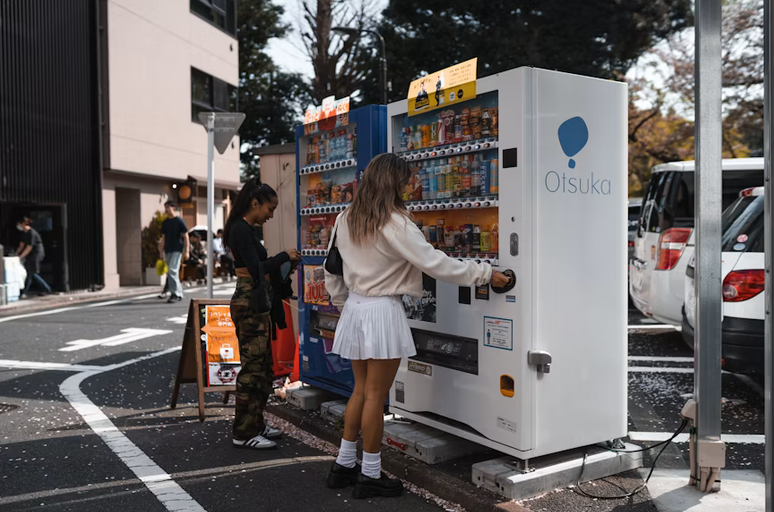
Technology has transformed vending machines from simple mechanical devices into connected retail equipment. Some modern systems use sensors, internet connectivity, inventory tracking, and remote management tools. Operators can monitor stock levels without visiting every machine. They may receive alerts when products need to be restocked or when equipment requires attention. Remote monitoring can improve operational efficiency. It may also reduce unnecessary service trips, helping operators spend more time addressing machines that actually require attention. Digital screens can provide product information, promotional messages, pricing updates, or other content. These features make vending machines more interactive while giving businesses additional ways to communicate with customers.

Serving Convenient Locations

Location remains one of the strongest advantages of vending machines. They can operate in spaces where a traditional retail store would require too much room, staffing, or investment. Office buildings, hospitals, universities, hotels, transportation facilities, residential communities, and recreational centers can all provide opportunities for automated retail. Vending machines can also operate for extended hours. Customers may purchase necessary products early in the morning, late at night, or during periods when nearby stores are closed. This accessibility can fill small but important gaps in local retail services. Customers do not always need a large shopping trip when they only need one or two items.

Supporting Specialized Retail
Supporting Specialized Retail

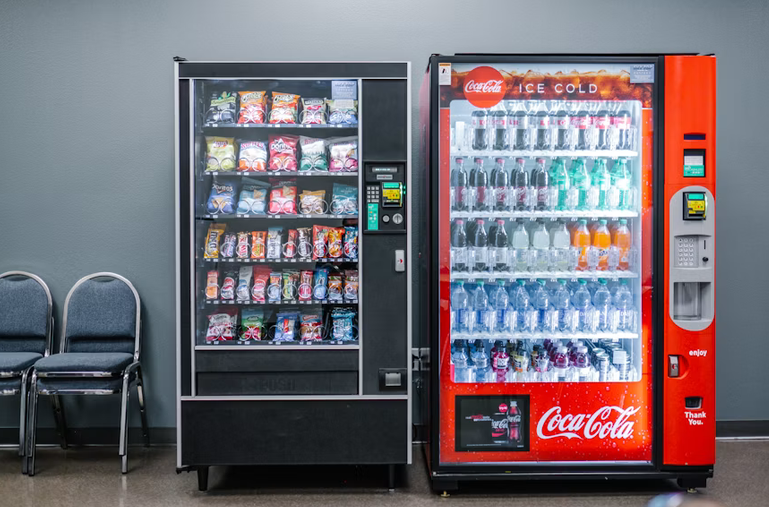
The expansion of vending machines has created opportunities for more specialized forms of retail. Operators can design machines around specific audiences rather than trying to appeal to everyone. A machine might focus on workplace essentials, travel items, healthy food, personal care products, or technology accessories. Specialized offerings can make a machine more useful because the product selection directly reflects the surrounding environment. Businesses can also use automated retail as a way to test new products. A limited selection can be introduced in one location before wider distribution. This creates a practical connection between location, product demand, and retail strategy.

Adapting to Modern Shopping

Vending machines are becoming more than snack dispensers because they are adapting to the way people shop today. Customers often want quick access, simple payments, and convenient locations. Modern vending technology can address these preferences without requiring a traditional storefront. For operators, automated retail can provide a flexible way to reach customers while collecting …


A Guide to Choosing the Right Legal Structure for Your Business

Everyone who seriously thinks about their own business sooner or later will have to determine their status. Which organizational structure to choose – an individual entrepreneur or a Limited Liability Company (LLC)? And if you create your own organization, what kind of organizational and legal form should you choose? LLC is one of the best options for small and medium-sized businesses.

LLC is a company set up by one or several people, the approved capital divided into shares. You can find an online that will help you convert your business to this model. Sole proprietorship or individual entrepreneurship is another option that can work for your business. Choosing the light legal structure may prove difficult. We will explain to you how you can choose the best.

How to Choose the Right Legal Structure for Your Business

Limited Liability CompanyThe first thing to consider when answering the question “which legal structure to choose?” when creating a business is the level of responsibility for the results of activities.

An individual entrepreneur is liable for his obligations with all property belonging to him, except for property on which, under the law, collection cannot be levied.

Responsibility for the results of the activity of a legal entity is limited to the amount of the value of the contribution made.

Second: the complexity of registering a business and the amount of registration costs

The easiest way is to register as an individual entrepreneur. Organizational costs will also be the most minimal.

For a legal entity, the registration costs will be higher, and the registration procedure will be more complicated. If you choose the form of organization of a legal entity, then, according to the specified criteria, LLC will be the undisputed option.

Third: the amount of the authorized capital

To register as an individual entrepreneur, the presence of authorized capital is not required – this is also an additional advantage of the status of an individual entrepreneur.

Fourth: accounting, tax accounting, and taxation

Accounting requirements are simplified as much as possible for individual entrepreneurs, and for accounting for a legal entity, you will need special knowledge. However, when applying special tax regimes, there is practically no difference.

The requirements for tax accounting are the same, but in practice, they are more loyal to individual enterprises. Taxation depends on the application of the appropriate regime: general, simplified, unified tax on imputed income.

Thus, to give an unambiguous answer to the question “which business legal structure to choose?” is impossible. Each option has its own nuances, pros, and cons. The decision should be made taking into account the specifics and characteristics of the future business.…

Mistakes to Avoid When Starting a Limited Liability Company

Starting a new business can be both exciting and intimidating at the same time, especially if you are doing it for the first time. You are bound to make mistakes, some of which may determine the success of your business. By choosing to create a limited liability company, you will have already avoided one of the main mistakes. However, there are some possibilities of making mistakes when setting up an LLC business. Some of the possible mistakes you can make are highlighted below.

entrepreneurChoosing the Wrong State

If you choose to create an LLC, you have to decide where to register it. Most entrepreneurs usually register their companies in the state where they live, mostly because of the tax benefits they stand to gain. However, that is usually not always the best idea, especially for smaller companies. Incorporating your business in the state where your business is based will likely give you more benefits than the tax benefits you might gain when you incorporate it in your home state.

Choosing the Wrong Name

To ensure you choose the best name for your company, you need to do extensive research. The priority should be to ensure another company is not already using the name you choose. Failure to do so can result in you violating the trademark of another company, which can get your business in a lot of trouble. Name disputes can result in time-consuming and expensive lawsuits. Losing the lawsuits might result in you losing your goodwill and brand recognition.

business planNot Creating Corporate Governance Documents

Another common mistake is creating an LLC without creating corporate governance documents. That is quite common among entrepreneurs who start their business with family members or friends. Governance documents usually lay out all the rules to be used whenever an unpleasant situation or disagreement arises. The rules can help to protect partner’s investments, relationships between partners, and the entire business. The two most important documents to start with are a buy-sell agreement and an operating agreement.

Not Hiring Legal Help

The process of registering an LLC is usually quite easy such that you can do it yourself. However, experts recommend hiring a lawyer, especially if you plan to operate in different states, take money from investors, or have different partners. Hiring a lawyer might add to your costs, which is why people make the mistake of not hiring one. However, the value of getting professional legal assistance is usually worth more than the cost for such cases.  …

Tips to Improve the Security of Your Marijuana Clinic

The utilization of cannabis is gradually growing. The growth is a significant effect of the decriminalization of cannabis in various nations and states. From a technical perspective, marijuana is still categorized as a Schedule 1 drug featured in the Controlled Substances Act. However, medical cannabis is lawfully accepted in many states.

The instantaneous rise in the marijuana industry is witnessing the establishment of more and more cannabis dispensaries. Similar to other businesses that make lucrative revenue, these clinics are now targeted by thieves. You must secure your assets.

Below are tips to help improve the safety of your marijuana clinic.

Select the Right Security Plan

cannabis clinic
Financial institutions that offer service to legal cannabis firms risk facing criminal charges. For this reason, many criminals target marijuana clinics with the mindset that the cash made is kept in the building. This is one of the prime reasons you need the services of a professional security firm. A suitable security plan must function while complying with the required dispensary laws. Your plan should include strategically positioned surveillance cameras, locks, and motion sensors for extra security.

Include Employees in the Plan

Apart from your security plan, the other prime factor to enhancing security relies on your employees. Your employees are by default part of your security system since they keep track of what goes in and out the dispensary. They are the second line of defense in case of a security threat within the clinic. Nonetheless, without proper vetting before recruitment, your employees may turn out to be the threat.
staff members
From conducted investigations, it was discovered that 90% of the losses incurred in marijuana dispensaries are because of employees. In any business, a thorough screening of staff is necessary because you are putting your investments in the hands of strangers. Also, make sure you treat your employees appropriately and pay them fair wages. They are the ones managing your business, so make them feel appreciated.

Security Officers

Security plans are more for surveillance purposes around your business area. However, what makes a business highly secure is the presence of guards. The guard/guards (depending on the size of your property) are often stationed at the store’s entrance to verify clients’ marijuana patient cards and identity cards.

Nonetheless, the sight of guards may be apprehensive to some clients. To help the customers feel relaxed, guards can dress up as regular employees instead of the usual combat-style uniforms. Guards offer protection even after working hours, providing that assurance of your clinic’s safety.…